

Tooth Extractions
Although we always aim to preserve your natural teeth, there are times when removing a tooth is the healthiest option. When extraction is necessary, we focus on making the process smooth and stress-free so you can heal quickly.
Tooth Extractions in Denver, NC
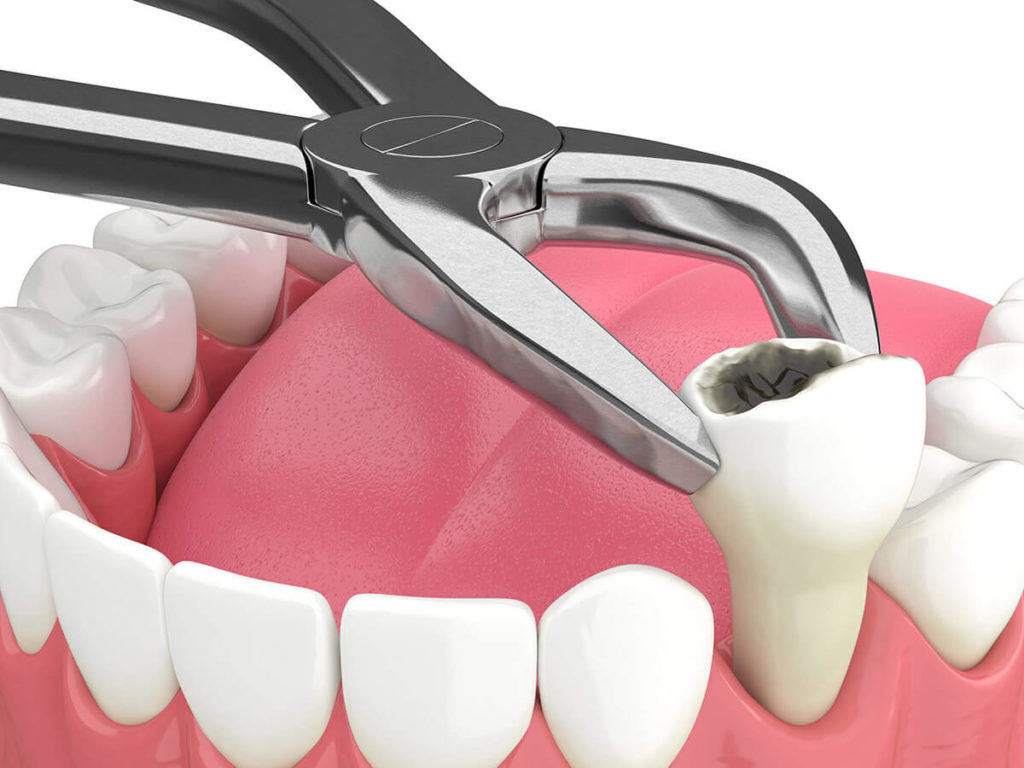
Tooth extraction is typically a quick procedure performed with anesthesia to keep you comfortable throughout. The most important phase comes afterward, during the recovery period. You’ll need to bite down on a gauze pad for 30 to 45 minutes to help form a blood clot and control bleeding.
For the next 24 hours, it’s crucial not to disturb the blood clot so proper healing can begin. To reduce swelling, apply an ice pack to the outside of your cheek, then switch to a warm compress once the swelling goes down. Gentle rinsing with warm salt water also helps keep the area clean and promotes healing.
-
When is a tooth extraction necessary?
A tooth extraction is necessary when a tooth is too damaged or decayed to be repaired, when there’s severe infection or gum disease, or when overcrowding prevents proper alignment. Extractions may also be needed for impacted wisdom teeth or to create space for orthodontic treatment. Your dentist will recommend removal only when it’s the healthiest option for your smile.
-
When and why are wisdom teeth removed?
Wisdom teeth are often removed when they don’t have enough space to grow properly or become impacted, meaning they’re stuck beneath the gums or jawbone. They may also be taken out if they cause pain, crowding, infection, or damage to nearby teeth. Removal is typically recommended in the late teens or early twenties before problems worsen or become more difficult to treat.
-
What is dry socket, and how can I prevent it after wisdom tooth removal?
Dry socket occurs when the protective blood clot at the extraction site becomes dislodged or dissolves too early, exposing the bone and nerves underneath. This can cause significant pain and delay healing. You can help prevent dry socket by avoiding smoking, using straws, vigorous rinsing, and hard or sticky foods during the first few days after surgery. Following your dentist’s post-operative instructions closely is the best way to reduce your risk.
More questions about tooth extractions?
If you have additional questions about tooth extractions or our sedation options, feel free to contact our office—we’re happy to provide any information you need.